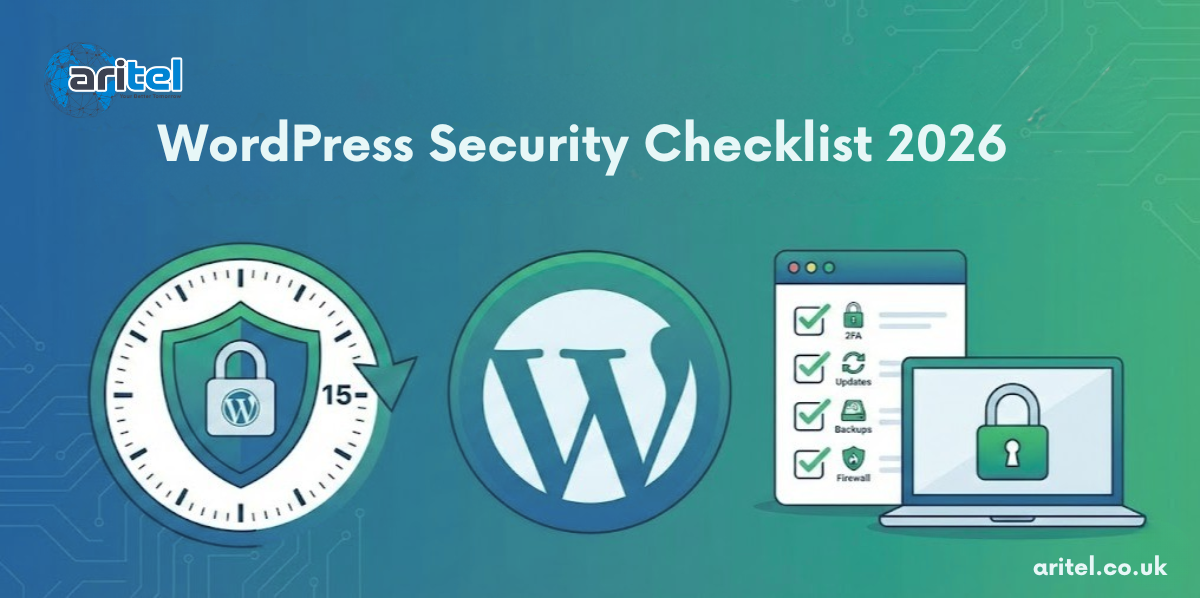
Ensuring the security of your WordPress site has never been more critical. With cyber threats evolving every day, even small vulnerabilities can be exploited to compromise sensitive data, slow down your site, or damage your brand’s reputation. Whether you manage an e-commerce platform, a corporate blog, or a SaaS website, following a comprehensive security protocol is crucial.
To help you, we’ve curated a detailed WordPress security checklist, including preventive measures, plugin recommendations, and actionable steps to secure your dashboard, database, and website as a whole.
Table of Contents
- Why Does WordPress Security Matter
- Core WordPress Security Practices to Protect Your Website
Why Does WordPress Security Matter?
WordPress powers around 43% of all websites globally, making it a prime target for cyberattacks. For enterprises, agencies, and SaaS providers, a compromised WordPress site can lead to data breaches, downtime, financial losses, and reputational damage. Cybercriminals often exploit security vulnerabilities such as outdated plugins, weak passwords, or cross-site scripting (XSS) to gain unauthorised access.
Small vulnerabilities can cascade into major security incidents, especially when sensitive customer or business data is at stake. Even a single successful login attempt by a malicious actor can give hackers access to the WordPress dashboard, enabling them to manipulate content, inject malware, or exfiltrate critical information.
Regular monitoring, proactive updates, and understanding the core areas of risk are essential for maintaining a secure WordPress site. By prioritising WordPress security, businesses can not only protect their digital assets but also ensure customer trust and compliance with data protection regulations. Ultimately, understanding vulnerabilities can save your site and business.
Core WordPress Security Practices to Protect Your Website
1) Keep WordPress Core, Themes, and Plugins Updated
Outdated software is one of the main reasons WordPress sites are hacked. Developers frequently release updates to patch security vulnerabilities. Neglecting these updates leaves your site exposed.
Best Practices
- Enable automatic updates for minor releases.
- Check plugin and theme compatibility before updating.
- Remove unused plugins and themes to reduce attack surfaces.
2) Strengthen Your Login & Dashboard Security
The WordPress dashboard is the gateway to your website. Protecting login credentials is vital.
Strategies
- Strong Passwords: Use a combination of letters, numbers, and symbols.
- Limit Login Attempts: Reduce brute force attacks by limiting failed login attempts.
- Two-Factor Authentication (2FA): Add an extra layer of security.
- Custom Login URL: Change the default `/wp-admin` URL to reduce automated attacks.
Recommended Plugins
3) Choose the Right WordPress Security Plugins
Plugins play a significant role in monitoring and protecting your site. Here’s a comparison of popular WordPress security plugins:
3.1 Plugin
3.1.1 Key Features
- Firewall
- Malware scanning
- Real-time threat defence
3.1.2 Pricing
Free or premium, starting at approximately $99 per year
3.1.3 Best For
Full security suite for all sites
3.2 Plugin
3.2.1 Key Features
- Brute force protection
- 2FA
- File change detection
3.2.2 Pricing
Starting at approximately $80 per year
3.2.3 Best For
Dashboard and login protection
3.3 Plugin
3.3.1 Key Features
- Malware scanning
- Blacklist monitoring
- Firewall
3.3.2 Pricing
Free or premium, starting at approximately $99 per year
3.3.3 Best For
Server-level and website protection
3.4 Plugin
All In One WP Security & Firewall
3.4.1 Key Features
- Login lockdown
- Database backup
- Firewall
3.4.2 Pricing
Free
3.4.3 Best For
Small to medium websites
3.5 Plugin
3.5.1 Key Features
- One-click malware removal
- Firewall
- Login protection
3.5.2 Pricing
Starts at approximately $99 per year
3.5.3 Best For
Websites needing automated malware cleanup
Tip: Do not install multiple security plugins that overlap in functionality, as it may slow down your site.
4) Secure Your Database and Maintain Regular Backups
A compromised database can result in loss of sensitive data and downtime. Protecting your database is essential.
Checklist
- Use unique database table prefixes instead of the default `wp_`.
- Regularly back up your database and store it off-site or on cloud storage.
- Restrict database access to authorised users only.
Popular Backup Plugins
Recommended Backup Practices
Implementing a structured backup schedule ensures that your website can be restored quickly in the event of a breach, server failure, or accidental data loss. A layered backup approach provides stronger protection and minimises downtime.
- Daily Backups
Daily backups should focus primarily on the database, especially for dynamic websites such as e-commerce platforms or membership sites, where data changes frequently. These backups are best stored securely in cloud storage services like Google Drive or Dropbox. Daily database backups ensure minimal data loss in case of unexpected incidents.
- Weekly Backups
A full site backup should be performed weekly. It includes both the database and website files, such as themes, plugins, and media uploads. Weekly backups should be stored on an off-site server to ensure protection against hosting-level failures or ransomware attacks.
- Monthly Backups
In addition to daily and weekly routines, a monthly full-site backup should be stored in a secure, locally encrypted storage environment. It provides an additional recovery layer and helps maintain long-term archival records in case historical data is needed for compliance or audit purposes.
By following this structured backup frequency, businesses can significantly reduce recovery time and maintain operational continuity even during security incidents.
5) Protect the File System and Ensure WordPress File Integrity
While plugins and dashboards receive most attention, the WordPress file system itself is a common entry point for attackers.
Recommended File Permissions
Incorrect file permissions can allow attackers to modify core files or upload malicious scripts.
Best practices include:
- Setting directories to “755”
- Setting files to “644”
- Restricting write access to sensitive configuration files like `wp-config.php`
Ii. File Integrity Monitoring
File integrity monitoring helps detect unauthorised changes before they cause damage.
What to monitor:
- Core WordPress files
- Theme and plugin directories
- Upload folders for suspicious scripts
Security plugins with file change alerts can notify administrators immediately when unexpected changes occur.
6) Prevent Common Security Vulnerabilities
Cross site scripting (XSS), SQL injection, and brute force attacks are common threats.
Preventive Measures
- Install security plugins that scan for malware and vulnerabilities.
- Sanitise all input fields in forms and comments.
- Disable directory listing on your server.
- Implement Content Security Policy (CSP) headers.
7) Secure Third-Party Integrations and APIs
Modern WordPress sites rarely operate in isolation. They rely on third-party services such as analytics tools, payment gateways, CRMs, and marketing platforms.
Each external integration introduces potential security risks.
Best practices include:
- Reviewing API permissions regularly
- Revoking unused API keys
- Using secure authentication methods such as “OAuth”
- Monitoring API request logs for unusual behaviour
Poorly secured APIs can introduce hidden vulnerabilities if not regularly audited.
8) Secure Your Server & Hosting Environment
Your hosting provider significantly affects your site’s security.
Best Practices
- Choose managed WordPress hosting with built-in security.
- Enable SSL certificates for encrypted data transmission.
- Configure firewalls at the server level.
- Ensure PHP and MySQL versions are up to date.
9) Ensure WordPress Security Compliance and Data Protection
Security is not just about preventing hacks; it also plays a role in regulatory compliance.
Depending on the audience and region, WordPress sites may need to comply with:
- GDPR
- CCPA
- Industry-specific data protection standards
Security practices that support compliance include:
- Encrypting stored sensitive data
- Limiting access to personal information
- Maintaining access logs
- Ensuring secure data deletion policies
A secure WordPress site reduces legal risks while improving transparency and user trust.
10) Monitor Activity, Log Events, and Prepare Incident Responses
Monitoring your website can detect suspicious activities early.
Steps
- Enable logging for login attempts, file changes, and plugin activity.
- Use security dashboards to track anomalies.
- Prepare an incident response plan for quick recovery.
Tools
- WP Security Audit Log
- Wordfence Real-Time Monitoring
11) Implement Advanced Security Measures
- Disable XML-RPC if not required, as it can increase exposure to brute force and DDoS amplification attacks.
- Restrict file permissions to prevent unauthorised changes.
- Limit access to your admin panel to specific countries using geo-blocking.
- Implement HTTP security headers to protect against clickjacking, XSS, and MIME sniffing.
12) Educate Your Team & Users
Human error often leads to security breaches. Train your team to:
- Use strong passwords
- Avoid suspicious emails or phishing attempts
- Report unusual site behaviour immediately
Tip: Regular training ensures ongoing compliance and reduces vulnerabilities.
Conclusion
Following this WordPress security checklist ensures your site is protected from common threats, keeps sensitive data secure, and maintains the integrity of your WordPress dashboard. Implementing updates, plugins, backups, and monitoring measures collectively strengthens your website’s security posture.
Start securing your site today with Aritel Limited’s expert website development and security services to keep your website safe, optimised, and compliant.
